Workplace Exposure Limits Are Changing: What You Need to Do Before December 2026
Australia's approach to managing airborne workplace hazards is changing.
By December 2026, businesses across Australia will need to transition from Workplace Exposure Standards (WES) to Workplace Exposure Limits (WEL). While the change may appear to be a simple update in terminology, it reflects a broader focus on strengthening worker protection and improving the management of hazardous substances in the workplace.
For organisations operating in high-risk industries such as mining, manufacturing and construction, early preparation will be critical to ensuring compliance and protecting worker health.

What Is Changing?
Historically, Workplace Exposure Standards (WES) have been used to establish the maximum airborne concentration of hazardous chemicals that workers can be exposed to during a working day.
The new Workplace Exposure Limits (WEL) framework replaces WES and aligns Australia more closely with international approaches to occupational hygiene and worker health protection.
While many exposure limits will remain unchanged, some substances will have revised limits based on updated scientific evidence and health data. Businesses will need to review their current controls and determine whether existing exposure management strategies remain effective under the new requirements.
Why the Change Matters
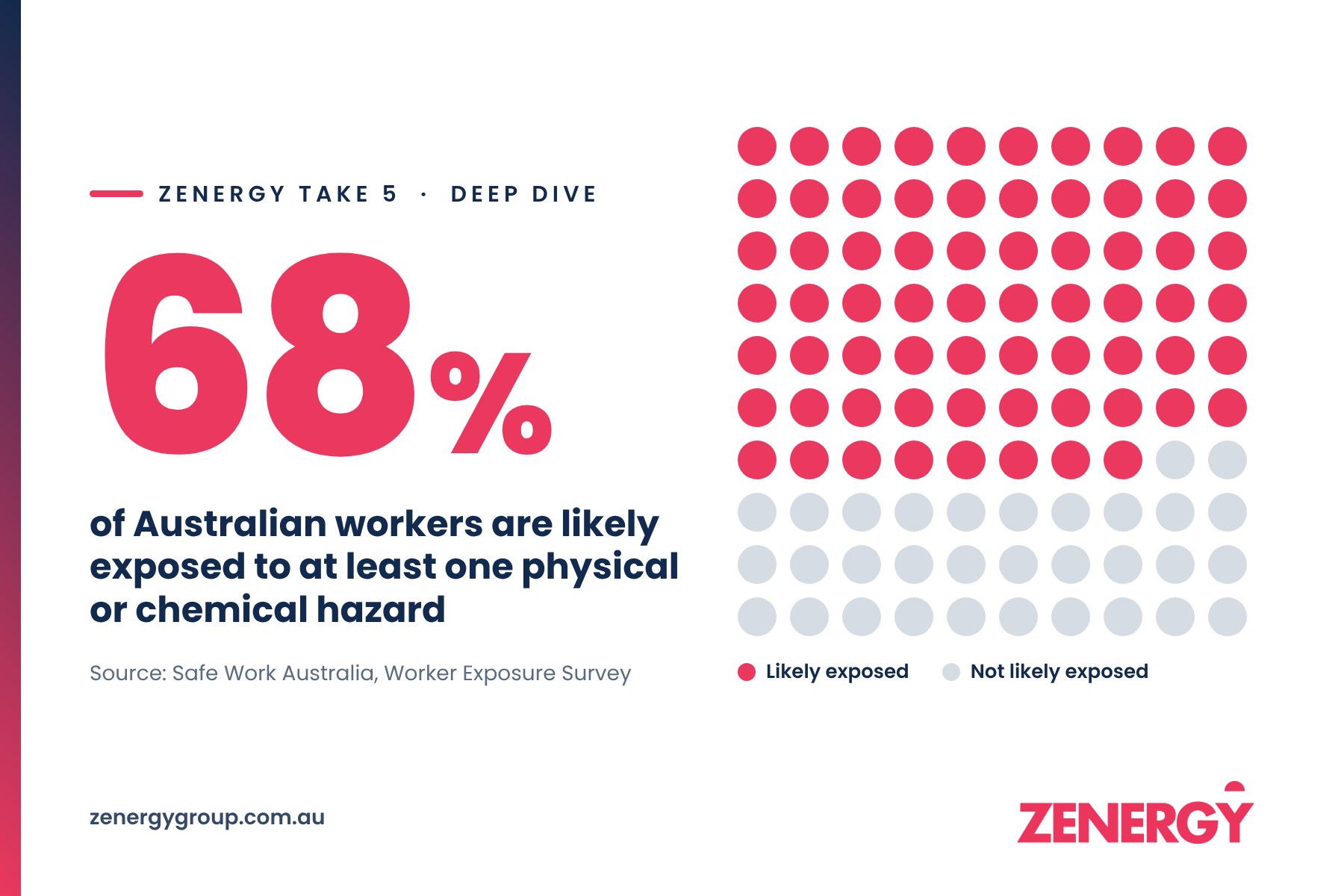
Exposure to hazardous substances remains one of the most significant workplace health risks across many industries.
Dusts, fumes, vapours, gases and airborne contaminants can contribute to long-term health conditions including:
- Respiratory diseases
- Occupational cancers
- Silicosis and other dust-related illnesses
- Neurological disorders
- Skin and eye conditions
The transition to WEL is designed to ensure exposure limits better reflect current scientific understanding and provide stronger protection for workers.
Industries Most Likely to Be Impacted
While any workplace using hazardous chemicals should review its exposure management processes, several sectors are expected to experience the greatest impact.
Mining
Mining operations regularly expose workers to respirable crystalline silica, diesel particulate matter, welding fumes and other airborne contaminants. Organisations may need to reassess monitoring programs and engineering controls to ensure compliance with revised limits.
Manufacturing
Manufacturing environments often involve solvents, dusts, metal fumes and chemical processes that require ongoing exposure monitoring. Updated limits may necessitate changes to ventilation systems, PPE programs and workplace monitoring schedules.
Construction
Construction businesses continue to face increasing scrutiny around silica exposure and dust management. The transition to WEL provides another opportunity to review controls, worker training and health monitoring programs.
What Businesses Should Review Now
The transition to Workplace Exposure Limits (WEL) should not be treated as a simple terminology update. Organisations will need to review how they identify, assess and control exposure to hazardous substances to ensure their current systems remain compliant and effective.
1. Workplace Monitoring Programs
Workplace exposure monitoring is likely to be one of the most critical areas affected by the transition.
Businesses should review existing air monitoring data, occupational hygiene reports and exposure assessments to determine whether current monitoring practices will remain adequate under the new WEL framework. Historical monitoring data may no longer provide sufficient assurance if exposure limits for certain substances are reduced.
Key questions to consider include:
- Which hazardous substances are present across your operations?
- When was workplace exposure monitoring last conducted?
- Are workers performing tasks that could generate dusts, fumes, vapours, gases or aerosols?
- Are exposure levels being measured consistently and accurately?
- Is monitoring frequent enough to identify changing workplace conditions or emerging risks?
Where exposure data is outdated or limited, engaging an occupational hygienist to undertake baseline monitoring may help organisations identify gaps before the compliance deadline.
2. Risk Assessments
Once updated Workplace Exposure Limits are finalised, businesses should review all risk assessments involving hazardous chemicals and airborne contaminants.
Controls that were previously considered effective may no longer provide an adequate level of protection if exposure limits become more stringent. Organisations should reassess the likelihood and consequence of exposure and determine whether additional controls are required.
Particular attention should be paid to high-risk activities involving:
- Respirable crystalline silica
- Welding fumes
- Diesel particulate matter
- Solvents and volatile organic compounds (VOCs)
- Metal dusts and fumes
- Chemical manufacturing processes
Reviewing risk assessments early will allow organisations to budget for any required improvements and avoid last-minute compliance challenges.
3. Engineering Controls
The hierarchy of controls remains the foundation of effective exposure management, with engineering controls providing the most reliable means of reducing worker exposure.
Businesses should evaluate whether existing engineering controls are capable of maintaining exposures below the new limits. In some cases, upgrades or additional controls may be necessary.
Examples include:
- Local exhaust ventilation systems
- Dust extraction and suppression systems
- Process isolation and automation
- Enclosed operator cabins
- Improved ventilation and airflow management
- Equipment modifications to reduce emissions at the source
Investing in engineering controls not only supports compliance but also provides a long-term solution that reduces reliance on administrative controls and PPE.
4. Personal Protective Equipment (PPE)
While PPE is considered the last line of defence, it remains a critical component of many exposure control strategies.
Organisations should review their respiratory protection programs to ensure equipment selection aligns with current workplace hazards and anticipated changes under the WEL framework.
Areas for review include:
- Respirator selection and suitability
- Quantitative or qualitative fit testing programs
- Maintenance and replacement schedules
- Worker training and competency
- PPE storage and inspection processes
If exposure limits are reduced, some tasks may require higher levels of respiratory protection than are currently being used.
5. Health Monitoring Programs
Health monitoring requirements should also be reviewed where workers are exposed to hazardous substances covered by the new Workplace Exposure Limits.
Health surveillance programs can help organisations identify early signs of occupational illness and evaluate whether exposure controls are working as intended.
Depending on the nature of workplace exposures, monitoring may include:
- Respiratory health assessments
- Lung function testing
- Audiometric testing
- Biological monitoring
- Medical examinations specific to identified hazards
Regular health monitoring not only supports compliance but also demonstrates a proactive commitment to protecting worker health and wellbeing.
Timeline for Compliance
Although the transition deadline is December 2026, organisations that begin planning now will be better positioned to manage costs, implement improvements and avoid compliance risks.
Now – Early 2026
Focus on understanding your current exposure profile.
Recommended actions include:
- Reviewing hazardous substances registers and inventories
- Identifying tasks with potential airborne exposure risks
- Conducting workplace exposure monitoring where required
- Reviewing occupational hygiene reports and historical data
- Assessing current engineering controls and PPE programs
- Engaging occupational hygiene specialists if expertise is required
Mid-2026
Use the updated WEL requirements to identify gaps and implement improvements.
Recommended actions include:
- Reviewing and updating risk assessments
- Updating Safe Work Method Statements and procedures
- Implementing additional engineering controls where necessary
- Reviewing respiratory protection programs
- Updating training and worker awareness initiatives
- Reviewing contractor management processes
Before December 2026
Complete final compliance activities and verify all systems are aligned with the new requirements.
Recommended actions include:
- Conducting final compliance reviews and audits
- Verifying exposure monitoring programs remain suitable
- Updating workplace documentation and records
- Confirming health monitoring requirements have been met
- Ensuring workers understand any revised control measures
- Validating that all exposure controls align with the WEL framework
- Organisations that take a proactive approach now will not only be better prepared for compliance but will also strengthen their overall workplace health management systems and reduce the risk of long-term occupational illness.
Preparing Your Workforce for the Change
The transition to Workplace Exposure Limits is more than a regulatory update—it is an opportunity to strengthen workplace health protections and reduce the risk of long-term occupational illness.
Organisations that start planning now will be better positioned to meet compliance obligations, minimise disruption and demonstrate a genuine commitment to worker wellbeing.
As exposure management requirements continue to evolve, having experienced WHS, occupational hygiene and HSE professionals within your organisation will be essential to navigating these changes successfully.
Need support finding experienced WHS or occupational hygiene professionals?
Zenergy connects organisations with Australia's leading health, safety and environmental talent to help manage emerging workplace risks and compliance requirements. Click here to submit your vacancy.
Contact Us
Zenergy News