Climate Risk is Becoming a WHS Issue: Are You Prepared for Winter and Beyond?
For many Australian organisations, climate risk is no longer just an environmental or sustainability discussion — it is rapidly becoming a critical Workplace Health and Safety (WHS) issue.
From severe storms and flooding to cold exposure, air quality concerns and extreme weather events, employers are facing increasing pressure to identify and manage climate-related risks within their workplaces. As winter approaches across Australia, businesses must ensure they are prepared not only for seasonal hazards, but also for the growing expectation that climate risk management forms part of broader WHS obligations.
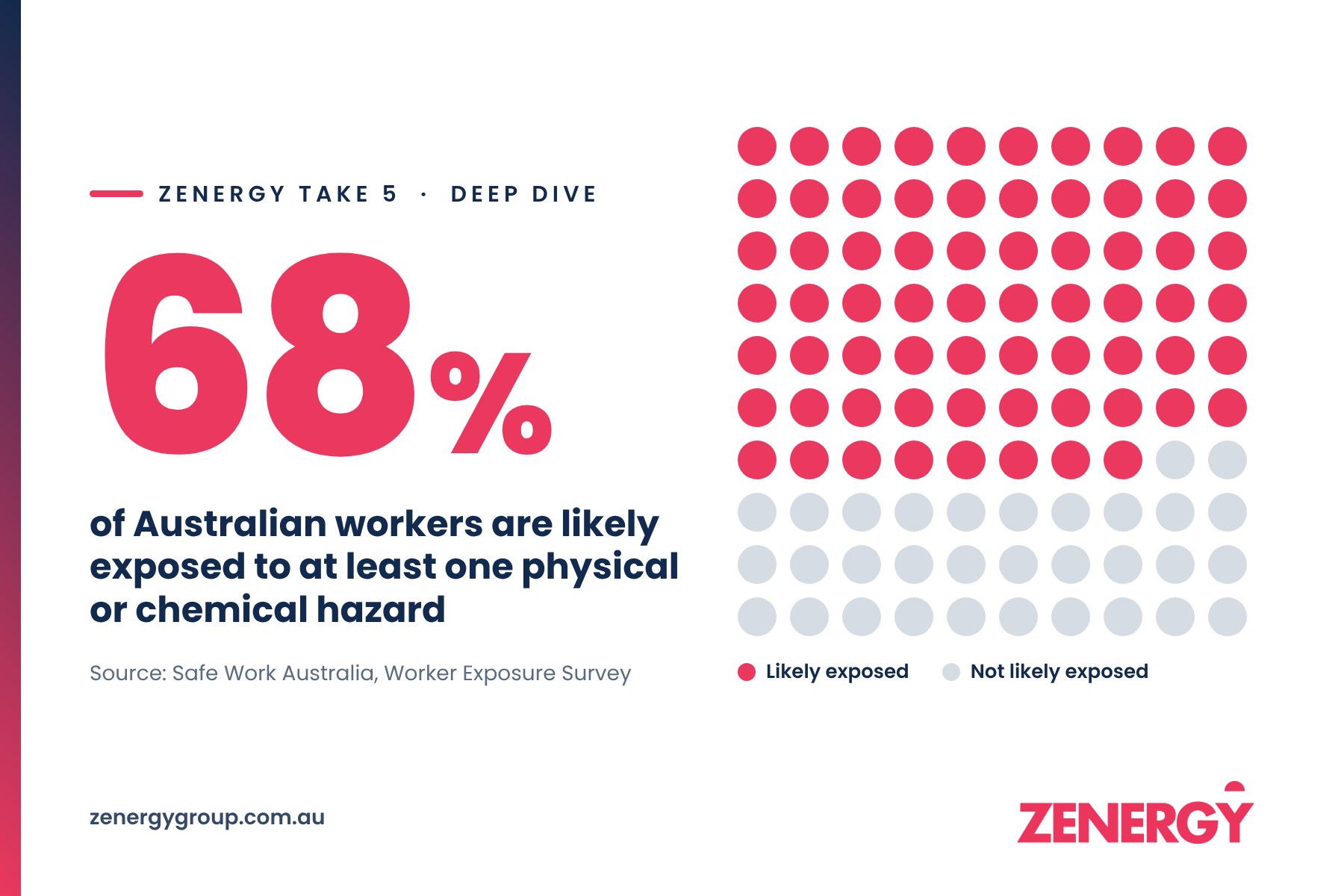
According to Safe Work Australia, employers have a duty to provide workers with a safe working environment, including managing risks associated with environmental conditions and workplace facilities.

Why Climate Risk is Now a WHS Concern
Under Australian WHS legislation, employers have a duty of care to provide workers with a safe working environment, so far as is reasonably practicable. This obligation extends to environmental conditions that may impact worker health, safety and wellbeing.
Historically, climate-related discussions within WHS focused heavily on heat stress and bushfire exposure. However, the scope is broadening rapidly. Regulators and industry bodies are increasingly recognising that climate change creates a range of operational and safety risks that organisations must proactively manage.
This includes:
- Extreme weather events
- Flooding and storm impacts
- Poor air quality and airborne contaminants
- Cold exposure and hypothermia risks
- Fatigue caused by changing environmental conditions
- Disruptions to infrastructure, transport and emergency response
Winter Brings Its Own Set of WHS Risks
While summer hazards often dominate climate discussions, winter presents significant safety challenges across many Australian industries.
Cold weather conditions can increase the likelihood of:
- Slips, trips and falls from wet or icy surfaces
- Reduced visibility during storms and heavy rain
- Fatigue and reduced concentration in cold environments
- Vehicle and transport incidents during severe weather
- Electrical hazards from flooding and water exposure
- Increased respiratory illness risks and poor indoor air quality
For outdoor workers, remote teams and operational environments, these hazards can escalate quickly if controls are not properly implemented.
Organisations should review whether their winter preparedness plans adequately address both immediate seasonal risks and broader climate resilience strategies.
Industries Most Exposed to Climate-Related WHS Risks
Some industries are particularly vulnerable to environmental and climate-related hazards due to the nature of their operations.
High-risk sectors include:
- Construction
- Mining and resources
- Transport and logistics
- Utilities and infrastructure
- Agriculture
- Manufacturing
- Energy and renewables
- Emergency services
For these sectors, climate risk can directly impact operational continuity, worker safety, contractor management and compliance obligations.
Employers operating across regional or remote locations may also face increased challenges around emergency response capability, communication systems and workforce wellbeing during extreme weather events.
What Employers Should Be Doing Now
Many organisations are beginning to integrate climate considerations into existing WHS systems and enterprise risk frameworks. This proactive approach not only supports compliance, but also strengthens operational resilience.
Key focus areas include:
Reviewing Risk Assessments
Businesses should ensure WHS risk assessments account for environmental and climate-related hazards relevant to their operations, locations and workforce.
Updating Emergency Management Plans
Emergency response procedures should consider severe weather events, flooding, evacuation processes, communication systems and supply chain disruptions.
Strengthening Worker Training
Workers and leaders should understand how to identify and respond to climate-related hazards, particularly in high-risk operational environments.
Assessing Contractor and Supply Chain Risks
Climate events can impact contractors, labour availability and transport logistics. Organisations should ensure third-party providers also meet safety expectations during severe weather conditions.
Improving Monitoring and Reporting
Environmental monitoring, incident reporting and data analysis are becoming increasingly important as organisations seek to identify patterns and emerging risks.
Future WHS Regulation is Likely to Expand
Across Australia, regulators are placing greater focus on psychosocial risk, environmental conditions and organisational resilience. Climate-related WHS obligations are expected to continue evolving as governments, regulators and industries respond to growing environmental pressures.
Many experts predict future WHS frameworks will place stronger emphasis on:
- Climate resilience planning
- Worker exposure monitoring
- Environmental risk controls
- Emergency preparedness
- Mental health impacts associated with climate events
- Governance and due diligence responsibilities for leaders
Forward-thinking organisations are already preparing for this shift by embedding climate risk into broader health, safety and sustainability strategies.
Preparing Your Workforce for the Future
Climate risk is no longer a future issue — it is already influencing how organisations manage workplace health and safety today.
Businesses that proactively assess environmental risks, strengthen preparedness measures and invest in capable HSE leadership will be better positioned to protect workers, maintain compliance and improve operational resilience during increasingly unpredictable conditions.
As winter approaches and climate-related events continue to intensify, now is the time for organisations to review whether their WHS systems are equipped for the challenges ahead.
At Zenergy, we support organisations across Australia with specialist health and safety recruitment, consulting and workforce solutions that help businesses strengthen safety capability and respond to emerging safety challenges.
Contact Us
Zenergy News