What is a Warehouse Traffic Management Plan and Why is it Important?
Overview
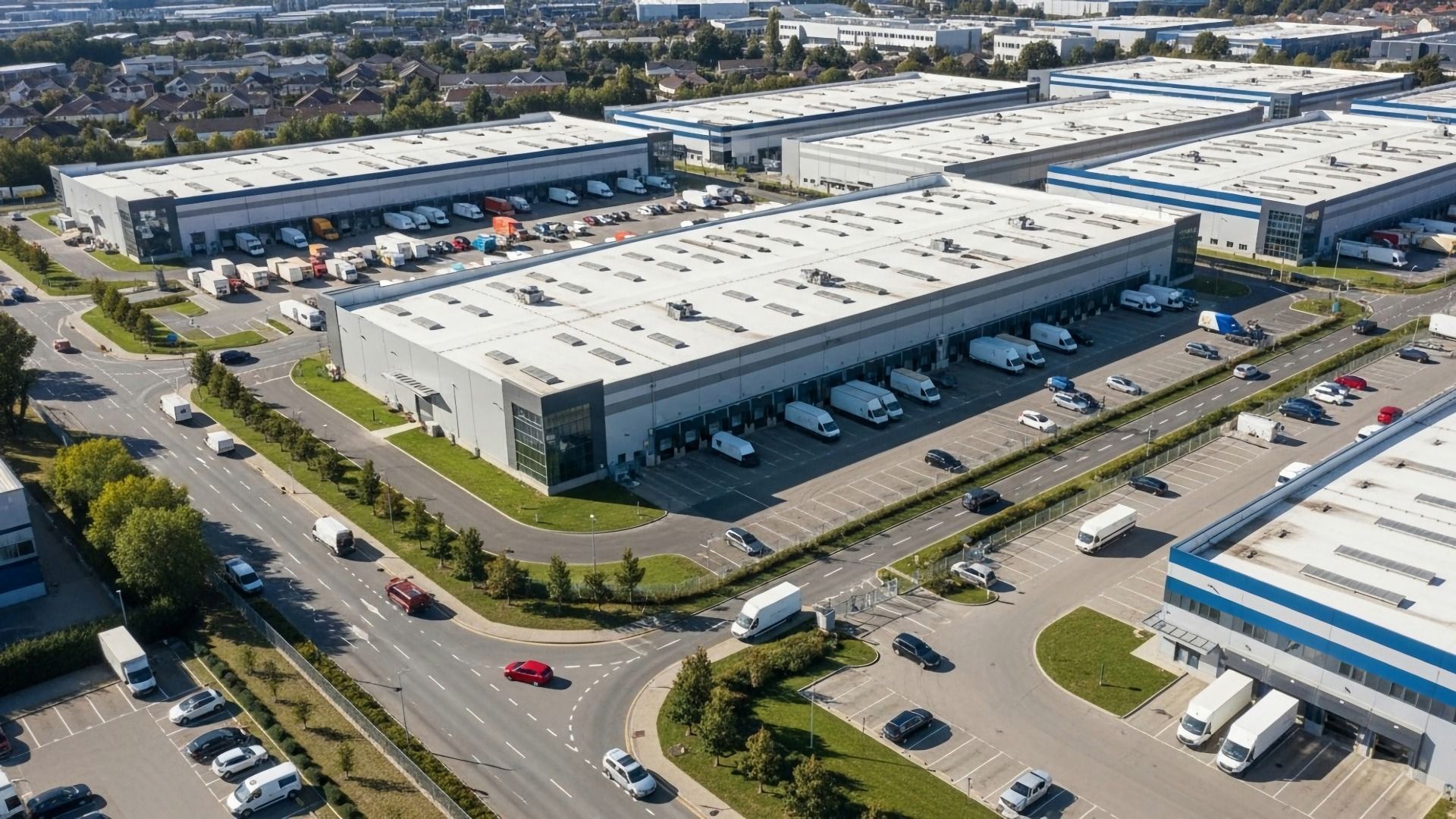
A warehouse traffic management plan is a documented system for safely managing the movement of pedestrians, delivery vehicles and powered mobile plant, such as forklifts, within a facility. It helps identify traffic-related hazards, set clear safety protocols and establish safe routes so that workplace risks are reduced and operations can continue efficiently.
Core Components
A compliant, site-specific traffic management plan typically includes the following core components and strategies:
- Designated travel paths: This includes for vehicles including entry and exit points or traffic crossing other streams of traffic and pedestrian and traffic routes
- Segregation of Traffic: The most critical element is physically separating pedestrians from forklifts and trucks using physical barriers, guardrails, or designated exclusion zones.
- Clear Signage and Line Marking: Utilises high-visibility floor markings, bollards, stop signs, and speed limit indicators to define vehicle routes, pedestrian walkways, and safe crossings.
- Loading Dock Protocols: Establishes specific safety zones for truck drivers and delivery personnel to wait safely while their vehicles are being loaded or unloaded by internal staff.
- Routing and Flow: Maps out one-way systems, wide turning radiuses, and separate entry and exit points to minimize congestion and blind spots.
- Emergency Procedures: Outlines the protocols for dealing with incidents, medical emergencies, or evacuations.
- Responsibilities: Defined for people managing traffic at the workplace and the responsibilities of people expected to interact with traffic at the workplace.
- Site maps: As part of your traffic management plan, you will need to develop a site map based on your site-specific conditions.
Monitoring and Review
The traffic management plan should be reviewed regularly to confirm it remains effective and reflects any changes in workplace conditions, traffic movements, equipment, layout or work practices. It should also be reviewed after any incident or near miss to identify improvements and strengthen existing controls.
Worker awareness and training
Workers must be made aware of the traffic management plan and understand how it applies to their role. Information, instruction, training and supervision should be clear, practical and easy for workers to understand. The site induction should also include the traffic management plan so workers are familiar with key traffic routes, controls and safety requirements before starting work.
Regulatory Guidance Regulatory bodies, including Safe Work Australia, recognise documented traffic management plans as an important control for managing serious risks associated with powered mobile plant, including the risk of collisions with pedestrians, vehicles and other equipment.
How Can Zenergy Help
Traffic Management Plan Development
Zenergy’s experienced consultants can help organisations identify and manage traffic-related risks through a formal Warehousing Site Traffic Management Assessment. Based on the findings, Zenergy can develop a practical, site-specific Traffic Management Plan that outlines key risks, recommended control measures and clear information to support safe traffic movement across the workplace.
Zenergy eLearning Program – Traffic Management for Warehousing
Zenergy’s Traffic Management for Warehousing eLearning course provides an overview of the general obligations and practical requirements for managing traffic risks in warehousing environments. The course also covers key control measures designed to help prevent injuries involving moving vehicles, pedestrians and powered mobile plant.
For more information on our services feel free to email us on info@zenergygroup.com.au or call Paul Pascoe, Executive Director HSE Consulting and Training, directly on 0480 004 97
Contact Us
Zenergy News