
Heftier fines for environmental offences
The most serious environmental offenders in New South Wales now face on the spot fines of up to $15,000, a significant increase from the pre-existing maximum of $1,500.
In response to contraventions of the 10 most serious environmental offences, the Environment Protection Authority is now able to issue a $15,000 penalty notice to a corporation, and a $7,500 penalty notice to individuals. Local councils are also be able to impose heftier fines, being a maximum of $8,000 for corporations and $4,000 for individuals.
The most serious environmental offences under the Protection of the Environment Operations Act 1997 include:
- • failure to hold a licence for premises-based scheduled activities (s 48)
- • failure to hold a licence for non-premises based scheduled activities (s 49)
- • failure to comply with a condition under s 64 (except for the requirement to submit an annual return)
- • failure to comply with clean-up notices (s 91)
- • failure to comply with prevention notices (s 97)
- • pollution of waters (s 120)
- • exceeding the standards of air impurities (s 128)
- • pollution of land (s 142A)
- • unlawful transporting or depositing of asbestos or hazardous waste (s 143), and
- • using land as a waste facility without lawful authority (s 144).
Nineteen other serious environmental offences can result in an $8,000 on the spot fine for a corporation and $4,000 for an individual.
Further details are available here.
“This article originally appeared on CCH Australia and is reproduced with permission”
Contact Us
Zenergy News

Explore the latest Safe Work Australia updates for 2026, including WHS penalties, incident notification, AI, chemical exposure limits and regulatory changes.

Should you hire an HSE contractor or permanent HSE Manager? Explore when interim HSE solutions make sense for Australian businesses, projects and temporary vacancies.
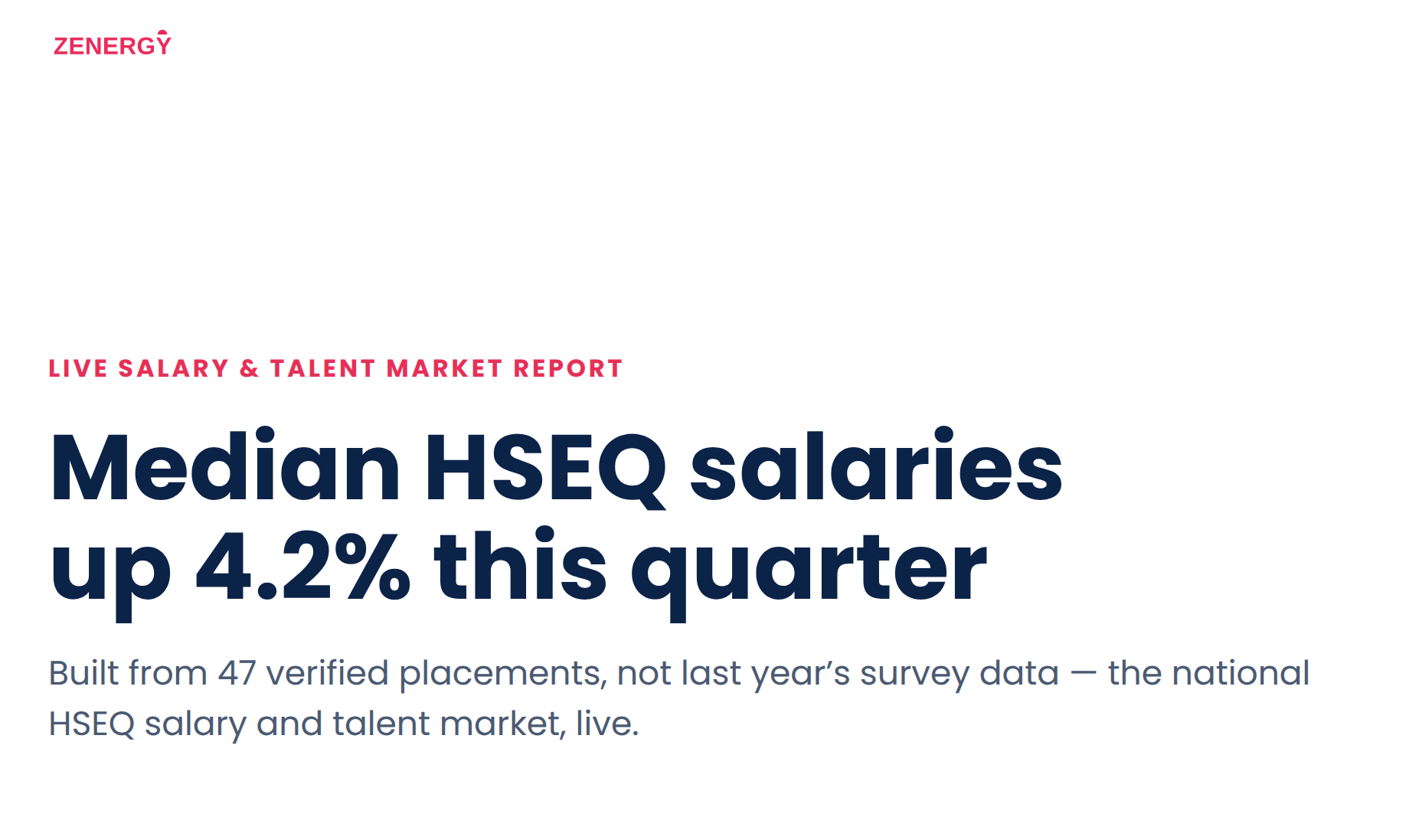
See live HSEQ salary data from 47 verified Zenergy placements — HSE Manager, WHS Advisor and Head of HSEQ pay bands, by city and company size.

Why is HSE recruitment becoming harder in Australia? Zenergy shares 2026 insights on HSE talent shortages, contract hiring, salaries and candidate expectations.

Discover the hidden cost of leaving an HSE leadership role vacant, from project delays and regulatory risk to incidents, staff turnover and contractor management.

South Australia has laid its first industrial manslaughter charges. What the case means for directors, officers and HSE leaders — and five actions to take now.