How AI Is Shaping Health & Safety in Australian Workplaces (and What HSE Leaders Should Know)
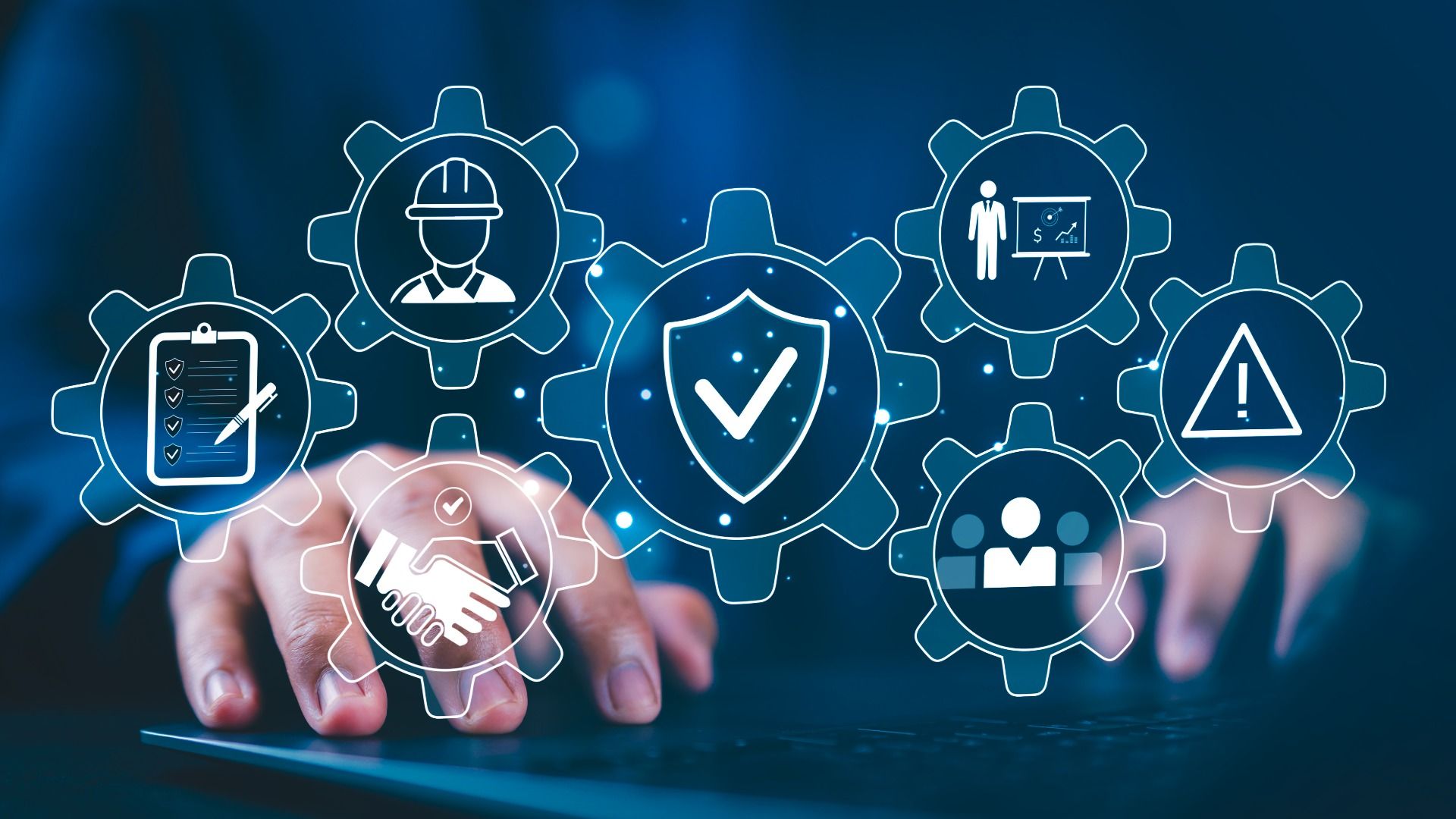
Artificial intelligence (AI) isn’t futuristic anymore — it’s here, and it’s increasingly embedded in the day‑to‑day operations of organisations across Australia. From predictive maintenance to automated decision engines, AI is driving efficiency and innovation. But with transformative opportunity comes new complexity for health, safety and environment (HSE) professionals trying to keep people safe and workplaces compliant.
In this evolving landscape, safety isn’t just about fall protection and plant guarding anymore — it’s about understanding how algorithms, data systems and automated tools affect risk, culture, and worker wellbeing.
AI Behind the Buzz: What’s Really Happening in Australia
In December 2025, the Australian Government released its National AI Plan, outlining how the nation will harness AI’s economic promise while relying on existing laws — including workplace safety frameworks — to manage risk and accountability.
This approach has sparked debate. Some experts argue that the lack of new AI‑specific safety legislation leaves organisations without clear guardrails for high‑risk AI systems, while others embrace the innovation opportunities ahead. For health and safety leaders, the message is clear: AI governance and safety risk assessment are no longer optional technical extras — they are core components of a robust safety management system.
Putting People First — Worker Voice and AI Risk
Recent reports from Australian unions and industry groups highlight growing concern about the way AI technologies are introduced into workplaces, particularly when it comes to employee consultation and workplace rights. There’s a strong push for enforceable agreements that require employers to involve workers proactively before deploying AI tools.
This makes intuitive sense for safety professionals. Just as you’d consult workers about changes to machinery or work processes, AI systems — especially those that influence rostering, performance metrics or risk screening — should be subject to rigorous risk assessments and worker input. In workplaces where AI decisions affect schedules, evaluations or operational priorities, early engagement prevents surprises and builds safety ownership.
Real‑World AI Safety Challenges
A recent University of Wollongong initiative illustrates both the promise and the practical implications of AI in safety: researchers are developing an AI‑powered “smart suit” to predict high‑risk movements in construction workers, flagging injury risk before it happens. This is exactly the kind of proactive, data‑driven innovation that could reshape risk management — but implementing it requires thoughtful integration with existing safety systems and worker training.
At the same time, surveys show that Australians have mixed feelings about AI at work. While many use AI tools regularly, a significant share of workers are wary of its risks, underscoring the importance of trust, transparency and training when introducing AI‑augmented processes.
What This Means for WHS Practitioners
For safety professionals, these developments aren’t abstract headlines — they have practical implications:
- Risk assessment frameworks must evolve: AI systems should be evaluated like any other work system, with psychological and digital risk factors included alongside physical hazards.
- Worker consultation is essential: Proactively engaging employees early in the adoption of AI tools supports safer deployment and better safety culture.
- Governance and transparency matter: Clear documentation, accountability owners for AI tools, and ethical use guidelines reduce ambiguity and help maintain trust.
There are frameworks emerging — such as the Voluntary AI Safety Standard published by the Queensland Government — that outline practical guardrails for businesses to follow, emphasising transparency, accountability and ongoing monitoring throughout an AI tool’s lifecycle.
Where Health and Safety Meets Capability and Growth
This isn’t just a compliance challenge — it’s a capability opportunity. As AI reshapes risk and decision‑making, safety leaders who upskill in digital risk governance, data literacy, and ethical technology use will be better positioned to guide their organisations confidently forward.
For teams looking to strengthen their understanding and application of modern safety principles in a digital age, ongoing professional development — from workplace safety fundamentals to advanced governance strategies — ensures safety professionals can confidently advise on and integrate new technologies.
Final Thought: AI Is a Tool, Not a Substitute for Judgement
AI can augment insight, increase efficiency, and even signal risk patterns that human eyes might miss — but it does not replace critical thinking, leadership judgement, or worker engagement. The most successful WHS outcomes occur when technology supports human decision‑making, not overrides it.
As AI becomes part of the safety conversation in Australia, health and safety leaders who recognise the importance of risk governance, worker voice and continuous learning will turn disruption into strategic advantage.
Want to strengthen your team’s safety capability in the age of AI?
Explore how Zenergy’s safety consulting and workforce development support organisations in navigating emerging risks with confidence and practical strategy — from compliance assurance to capability building.
Looking to hire the right HSE talent for an AI‑forward world?
Our specialised recruitment services help you find professionals who can bridge safety expertise with evolving technological demands.
Contact Us
Zenergy News