
Been a Bit Hot Lately?
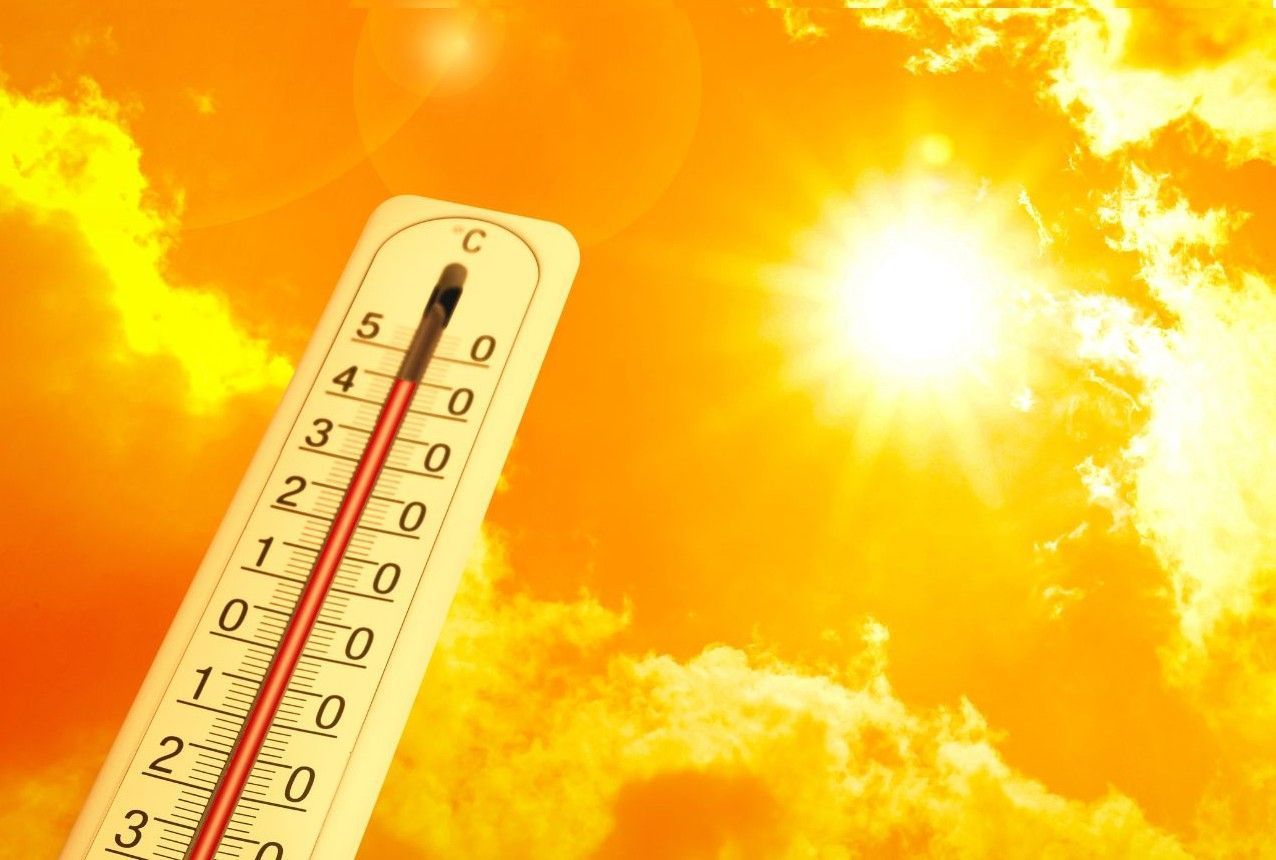
With the recent hot weather, it is timely to remind all businesses and workers to take proactive steps to manage the risks associated with extreme temperatures. Prolonged exposure to high temperatures and humidity can result in a range of heat-related illnesses, some of which can be severe. Conditions such as dehydration, fainting, heat rash, heat cramps, heat exhaustion, and heat stroke can occur, and in the most extreme cases, heat exposure can be fatal.
In addition to direct health impacts, working in extreme heat can also lead to fatigue. Fatigue can impair judgement and increase reaction times, making other work health and safety incidents more likely.
Employers' Duty of Care
Employers have a duty of care to their employees, which includes the responsibility to develop workplace heat management strategies or a Heat Management Plan. This should be done in consultation with health and safety representatives and workers to ensure everyone remains safe when working in high temperatures.
The strategies may include:
• Scheduling work during cooler parts of the day
• Providing appropriate shade for workers
• Rotating tasks to reduce prolonged exposure to heat
• Supplying personal protective equipment such as hats, long-sleeve shirts, and sunscreen
• Ensuring easy access to cool water, as well as crushed ice for both consumption and cooling purposes
• Implementing a buddy system, allowing workers to check in on each other
• Allowing more frequent and longer rest breaks
Understanding the Risks of Working in Extreme Heat
Working in extreme heat is a significant hazard for many workers, whether the work is indoors or outdoors. If the body must work too hard to stay cool, it can overheat, leading to heat-related illnesses.
Recent climate data shows that extreme heat events are becoming more frequent and lasting longer in Australia. This trend is expected to continue, with greater intensity and more extreme temperatures. As a result, workers are now exposed to hotter environments for longer periods of time. These frequent and prolonged heatwaves may introduce new hazards and impact the effectiveness of current control measures.
Heat-related injuries are common and can be fatal—particularly in tasks that require attention, coordination, and immediate memory skills.
Heat-Related Illnesses
The term 'heat-related illness' refers to a range of progressive conditions resulting from exposure to heat. The human body needs to maintain a temperature of approximately 37°C. When the body works too hard to keep cool, it can overheat, leading to heat-related conditions. 'Heat-related illness' is now used in place of the older term 'heat stress' and covers conditions such as:
• Dehydration
• Heatstroke
• Fainting
• Heat rash
• Heat cramps
• Heat exhaustion
Between 2001 and 2013, there were 13 work-related fatalities in Australia resulting from working in extreme heat. Twelve of these occurred outdoors, while one involved a worker in an enclosed ceiling space during a heatwave.
Worker Actions and Protection
To minimise the risks associated with heat-related illnesses, workers should take several important precautions and adopt safe practices while working in hot environments.
Hydration
It is essential for workers to drink small amounts of water frequently, rather than waiting until they are thirsty. This approach helps maintain hydration levels and supports the body’s ability to regulate temperature. Workers should avoid consuming beverages that contain caffeine or alcohol, as these can contribute to dehydration.
Appropriate Clothing
Wearing light, loose-fitting, and breathable clothing assists the body in staying cool. Additionally, workers should use suitable sun-protective gear, such as wide-brimmed hats and appropriate eyewear, to shield themselves from direct sunlight and further reduce heat exposure.
Acclimatisation
Gradually getting used to working in hot conditions—known as acclimatisation—allows the body to better adapt to increased temperatures. This process can help reduce the risk of heat-related illness and improve comfort and performance.
Symptom Recognition
It is important for workers to be vigilant for early signs of heat-related illness. Symptoms to watch for include nausea, dizziness, headaches, heavy sweating, confusion, or slurred speech. Prompt recognition and response can prevent more serious health consequences.
Heat Management in Your Workplace – Contact Us to Discuss Your Needs
Zenergy can assist organisations in conducting assessments and developing appropriate Heat Management Strategies in your workplace. Contact us for more information on how we can assist your organisation.
Contact Us
Zenergy News