
Zenergy Melbourne Leaders Forum 'Psychosocial Safety: Getting it right'
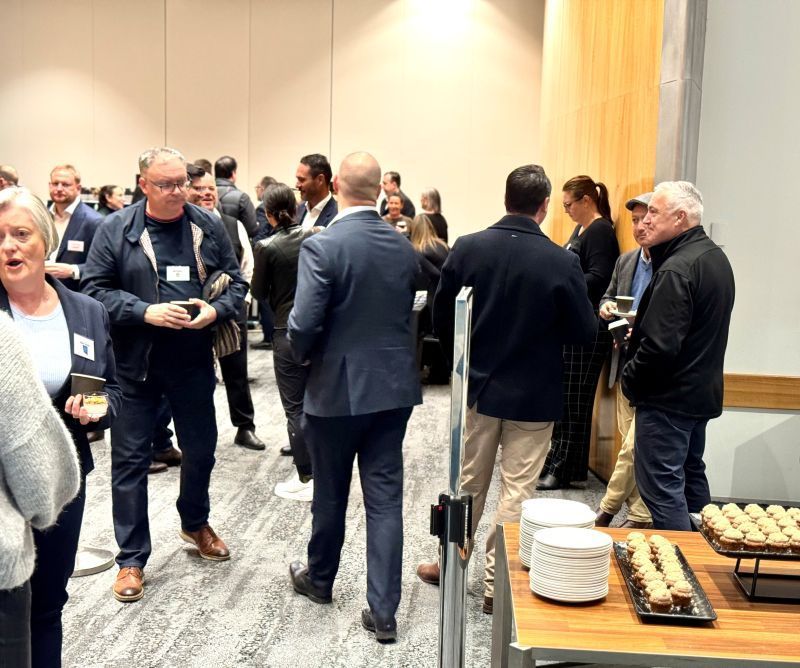
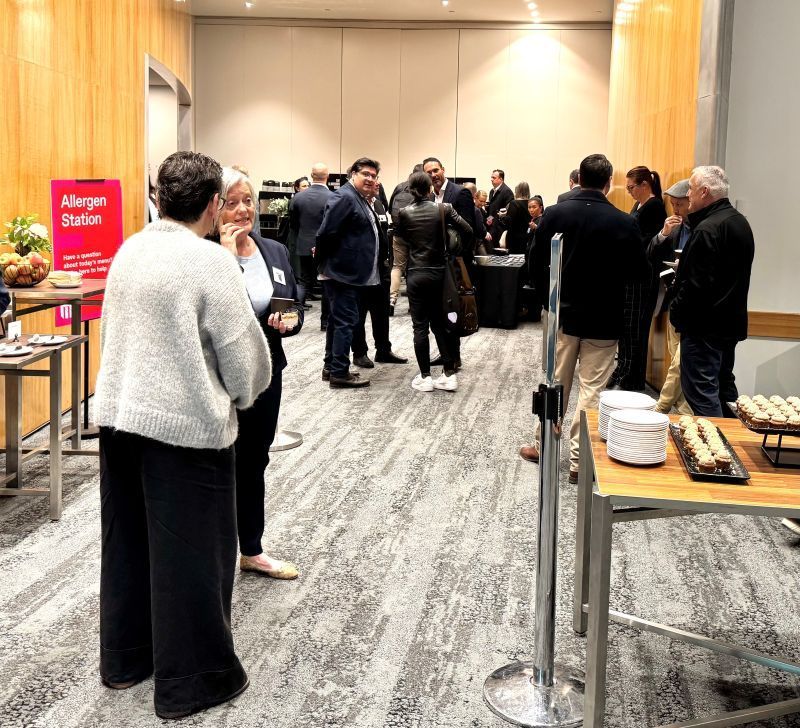
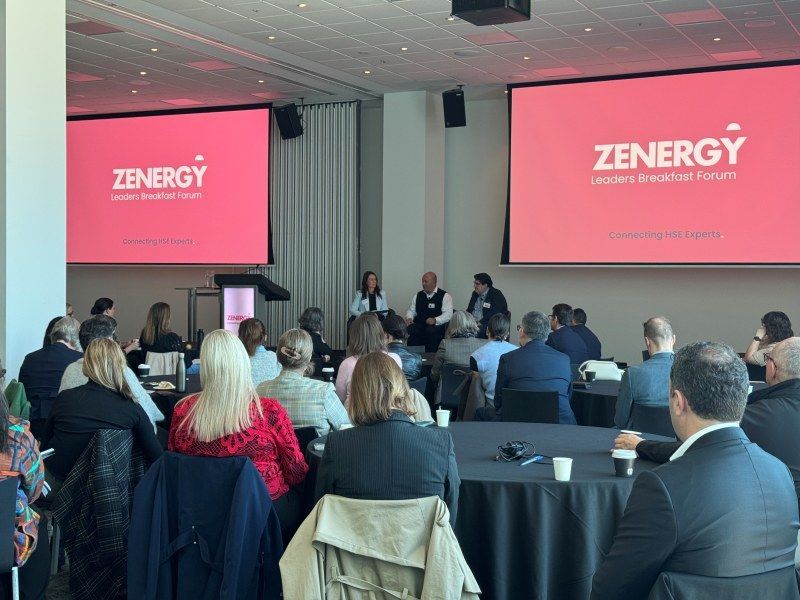
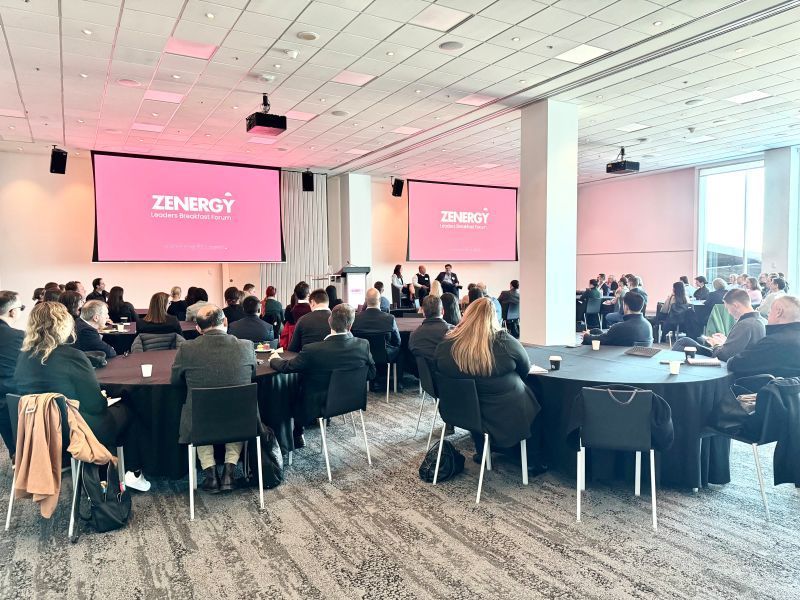
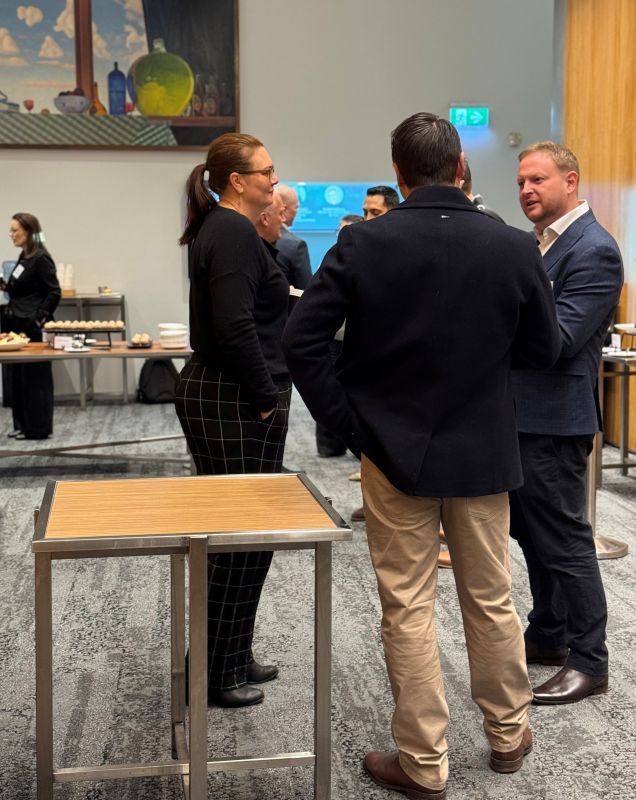
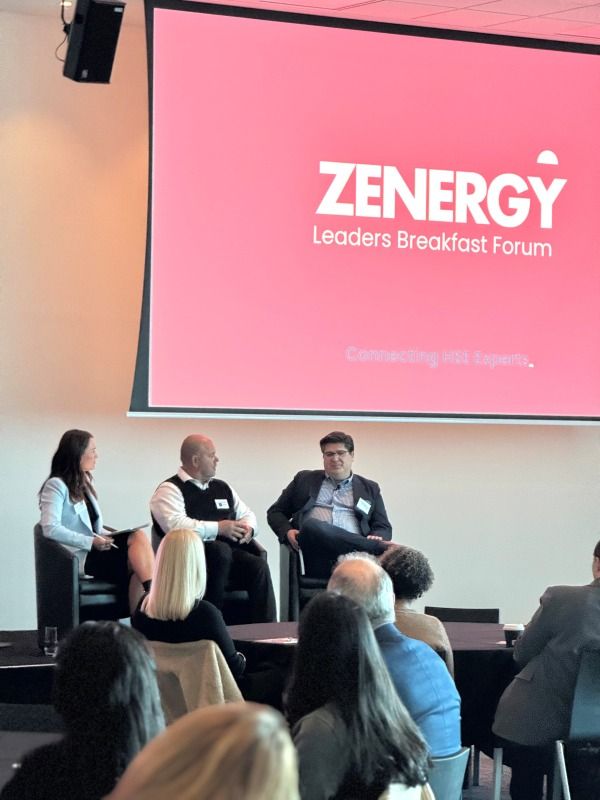
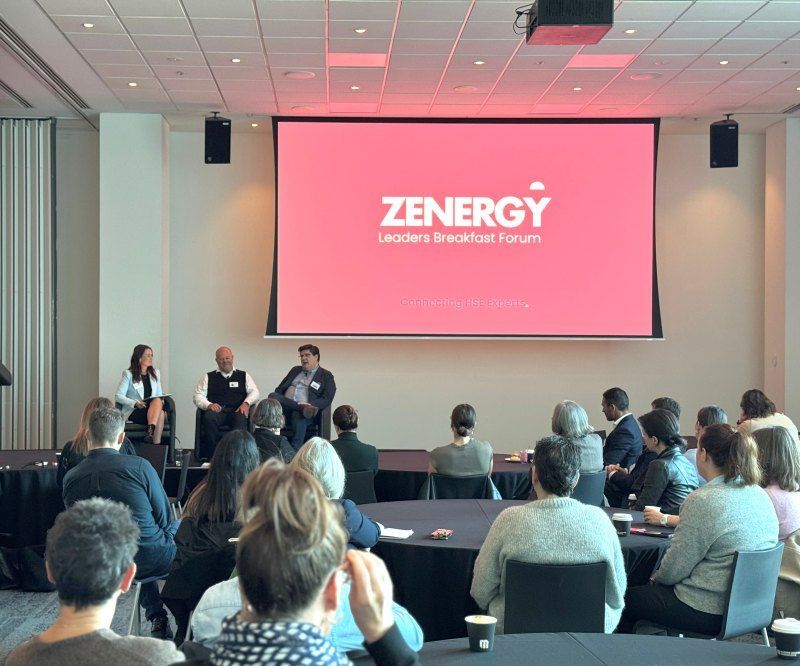
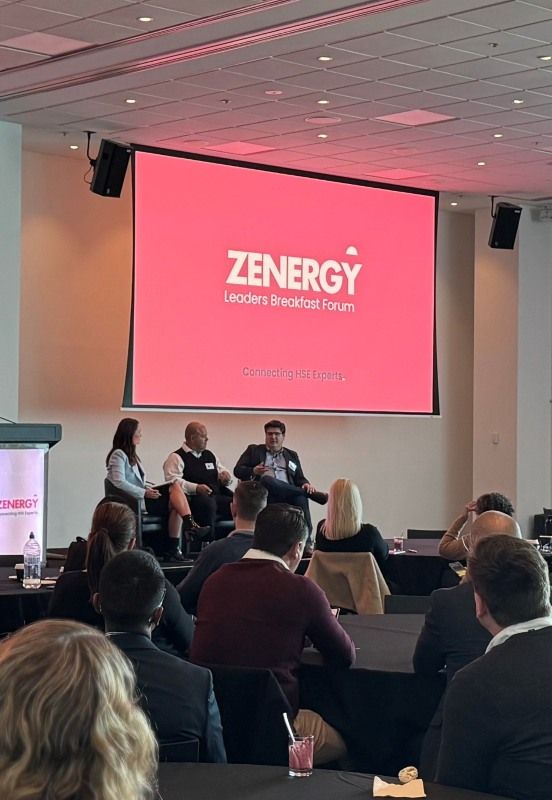
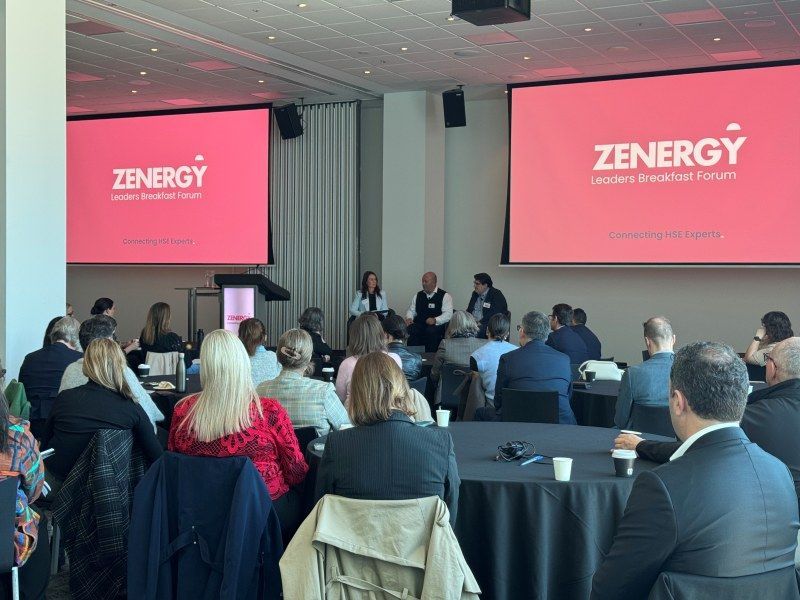
Zenergy recently gathered 100 industry leaders for an engaging breakfast panel focused on the crucial topic of Psychosocial Risk Management.
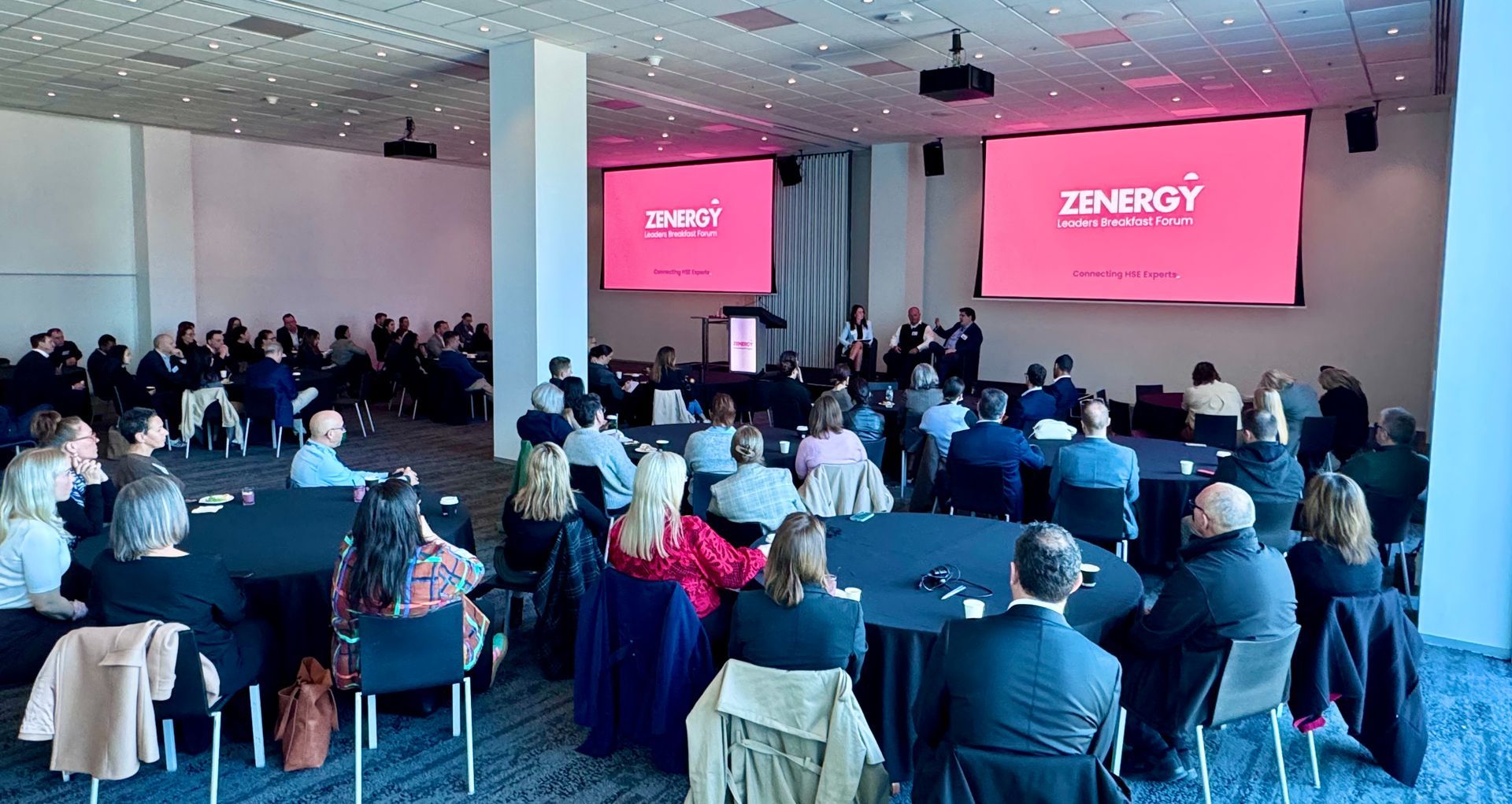
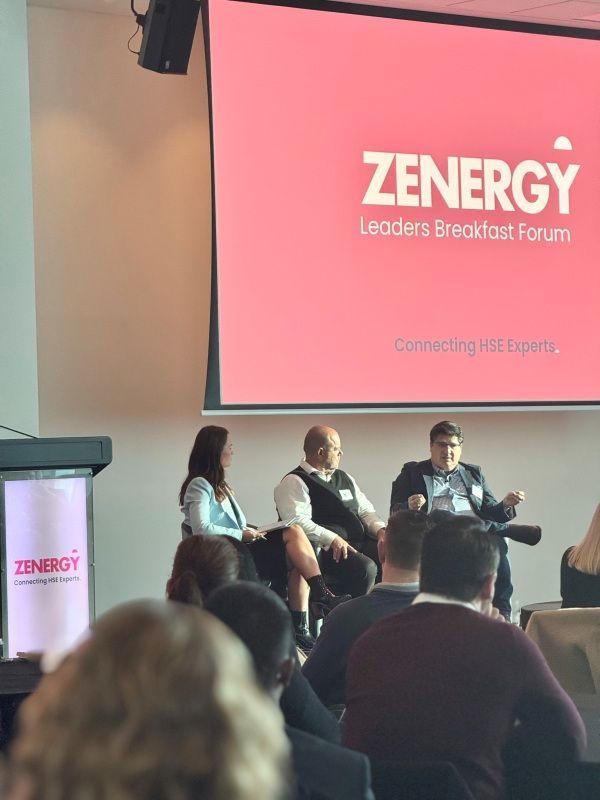
Panel Members:
- Amanda Clements - Chief Operating Officer, Safety on Tap
- David Burroughs - Chief Mental Health Officer, Westpac Group & Founder Australian Psychological Services
- Dr Rod Gutierrez – Deputy Chief Medical Officer, Rio Tinto
With a wealth of knowledge shared by three leading experts—Amanda Clements, COO of Safety on Tap; David Burroughs, Chief Mental Health Officer at Westpac and Founder of Australian Psychological Services; and Dr. Rod Gutierrez, author of The Net Effect and Deputy Chief Medical Officer at Rio Tinto—the audience was captivated by two hours of practical, actionable insights on managing psychosocial risks in the workplace.
Held in Melbourne, the session came at a critical time as Victoria prepares to implement legislative changes around psychosocial hazards. It was a timely and valuable conversation to help ensure organisations are ready for increased regulatory activity from WorkSafe Victoria.
Some of the key takeaways from the session included:
Not all hazards are created equally
Some psychosocial hazards are more likely to cause harm than others. For example, harmful behaviours such as bullying, harassment, discrimination, and incivility have a higher potential to cause psychological injury compared to job design hazards like high workload. However, job design issues can still contribute to risks such as high turnover rates and employee disengagement.
Consider bucketing your hazards
It can be overwhelming to implement controls for a long list of hazards. Grouping similar hazards into buckets can help manage control libraries more effectively—especially when one control can address multiple hazards. For instance, a “Harmful Behaviours” bucket might include bullying, harassment, and discrimination, while a “Job Design” bucket could include work volume, job control, and role clarity.
Leaders are the first line of defence
Leaders significantly influence a worker’s experience and are well-positioned to identify psychosocial hazards early and implement local-level controls. It’s essential to assess and build leadership capability and embed these practices into operational planning and day-to-day activities. More than just managers, leaders can serve as a protective factor for employee mental health and help mitigate exposure to hazards that cannot be designed out of the work.
Psychosocial risk infrastructure is critical
As regulatory action increases, it’s essential that organisations have robust psychosocial infrastructure to assess risks, monitor controls, and respond to hazards in a trauma-informed way. Where possible, integrating psychosocial risk management into existing safety management systems is ideal.
Stay Connected with Zenergy
Don’t miss the opportunity to be part of our upcoming seminars, Leaders Forums, and industry events. These sessions are designed to connect you with peers, share insights, and inspire new thinking in safety, health, and sustainability. Register your interest here and we’ll keep you informed about future events.
Want to assess your organisation’s psychosocial risk maturity?
Complete the quick self-assessment questionnaire below and an Australian Psychological Services consultant will be in touch to discuss your results.

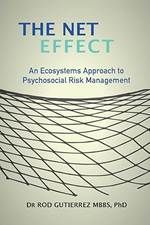
The Net Effect: An Ecosystems Approach to Psychosocial Risk Management
In The Net Effect, Dr Rod Gutierrez delivers a sharp, unflinching critique of how traditional safety systems have ignored the human cost of work. A medical doctor and psychologist with decades of experience inside the corporate engine room, Gutierrez exposes the hidden architecture of harm: poor job design, substandard leadership, fragmented teams, and cultures that prioritise reputation over people.

Amdanda Clements joined us from Safety on Tap who are the most established and experienced professional coaching business dedicated to developing Health and Safety Leaders globally.
To drive meaningful performance improvement, Safety on Tap offer a range of progressive coaching programs tailored to the unique challenges faced by health and safety professionals:
• The Stepped Up Program – for Health & Safety Professionals ready to step into confident, capable leadership of themselves and their teams.
• The PRO Performance Program – a fully customised capability-support program designed for senior Health & Safety Leaders and their teams partnering on long-term change, aligned to their organisation’s context and needs.
Andrew Barrett and Amanda Clements bring a combined 40 years of experience in health and safety, including over a decade in senior executive roles and another decade as professional coaches. Together, they’ve committed their careers to health and safety practice, understanding what works and what doesn’t for people like us, coaching for performance improvement, and modernising how health and safety is practised.
Contact Us
Zenergy News
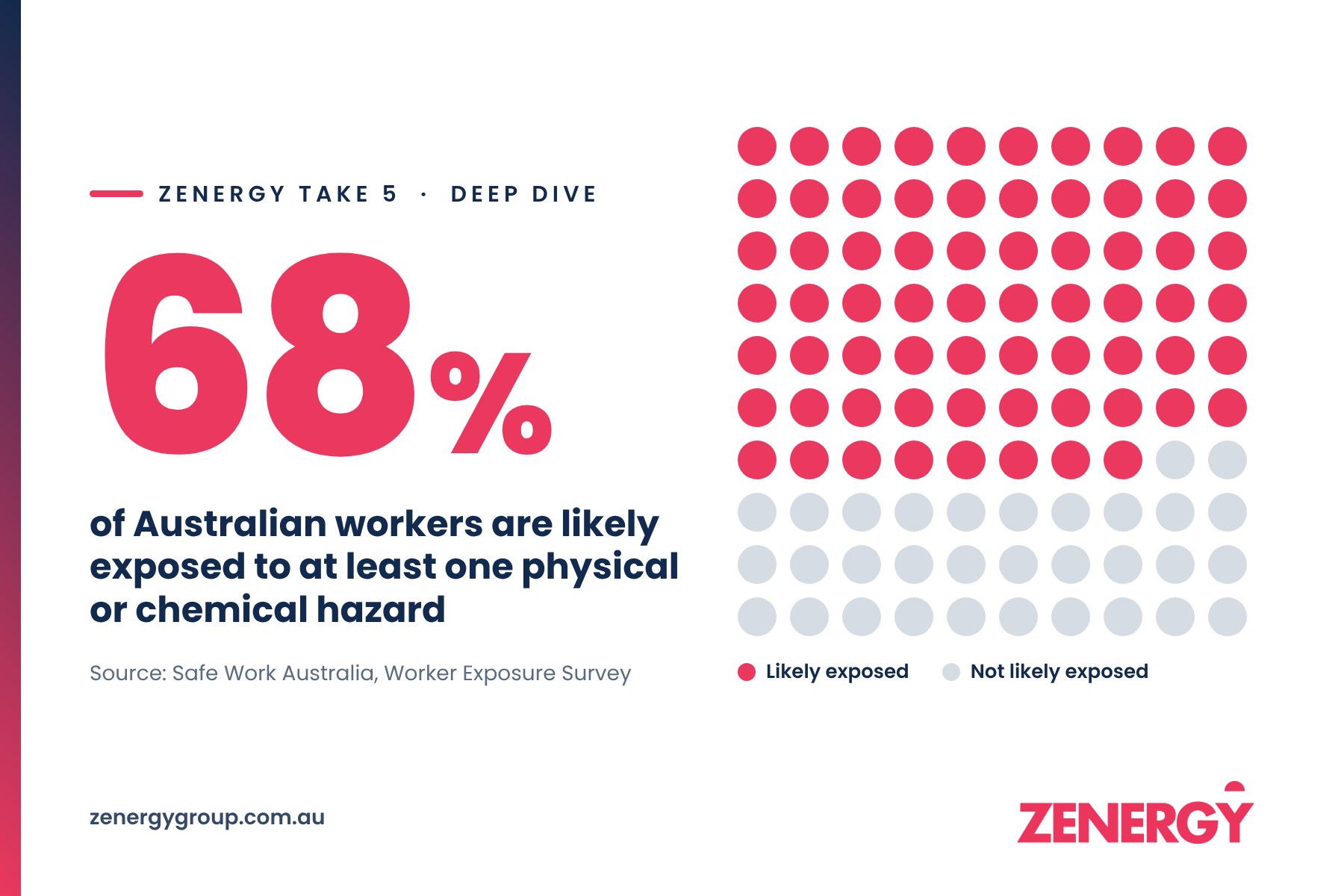
Safe Work Australia's Worker Exposure Survey finds 68% of workers exposed to hazards. What HSE leaders should do before new limits land on 1 Dec.

Explore the latest Safe Work Australia updates for 2026, including WHS penalties, incident notification, AI, chemical exposure limits and regulatory changes.

Should you hire an HSE contractor or permanent HSE Manager? Explore when interim HSE solutions make sense for Australian businesses, projects and temporary vacancies.
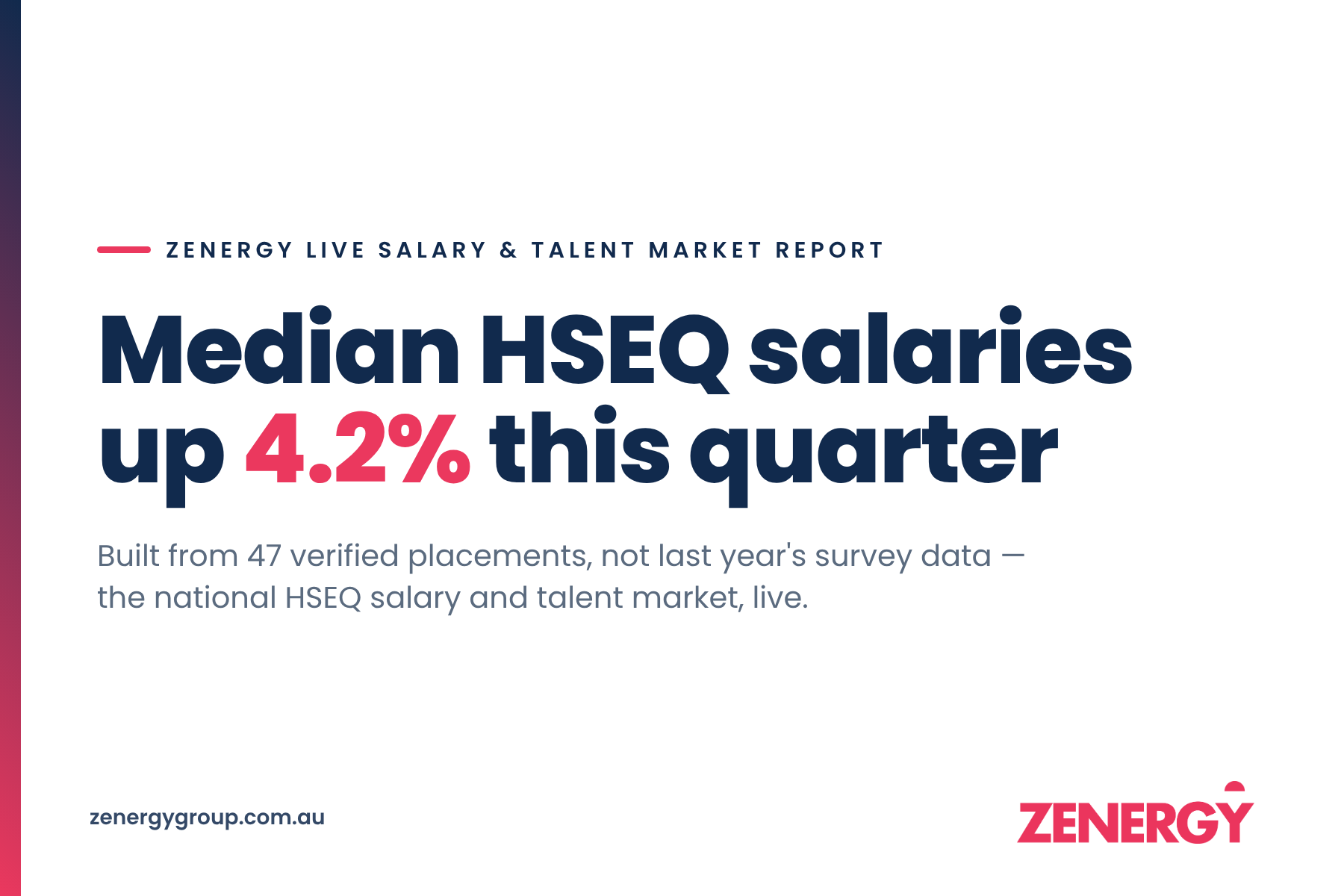
See live HSEQ salary data from 47 verified Zenergy placements — HSE Manager, WHS Advisor and Head of HSEQ pay bands, by city and company size.

Why is HSE recruitment becoming harder in Australia? Zenergy shares 2026 insights on HSE talent shortages, contract hiring, salaries and candidate expectations.

Discover the hidden cost of leaving an HSE leadership role vacant, from project delays and regulatory risk to incidents, staff turnover and contractor management.