The Why/What/Benefits of WHS Audits
The Why/What/Benefits of WHS Audits
The Why/What/Benefits of WHS Audits
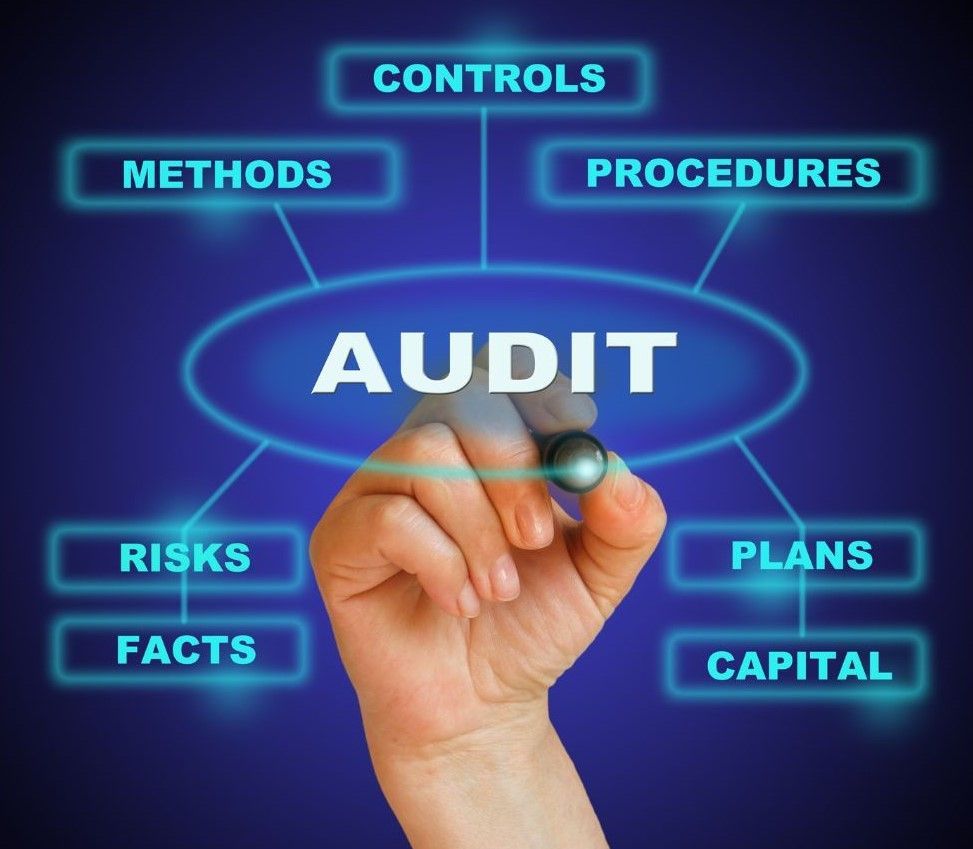
ISO 45001 Occupational health and safety management systems provides that the organisation ensure that audits are conducted to determine the degree of compliance and performance in accordance with the safety management system requirements or against the ISO standards.
The goal of a work health and safety audit is to assist in the continuous improvement of your company’s WHS policies and procedures and should:
- Identify the risks and the levels of those risks within the workplace;
- Identify strengths and weaknesses in your safety procedures;
- Assess whether your WHS procedures are legally compliant;
- Compare current documentation and practices against best practice and WHS legal obligations;
- Recommend improvements in your WHS procedures;
- Ensure that there are adequate resources available to manage WHS; and
- Ensure that the resources devoted to work health and safety are being utilised effectively.
What does a health and safety audit involve?
An audit of your health and safety management systems identifies whether the safety systems are operating effectively, or whether they need to be more efficient.
An audit may be an independent event or part of an ongoing program. In addition, audits:
- Can focus on a particular activity (e.g. how hazardous substances are controlled);
- Can focus on a particular part of the organisation (e.g. the packing area); or
- May address the overall performance of the work health and safety management system.
Benefits
Paul Pascoe, Zenergy Professional Services specialist believes the benefits in auditing your safety management system includes:
- Ensures the system that you have in place is specific to and meets the needs of the people and processes within the organisation;
- Gives you a measure to compare your base line, which allows growth of your system;
- Evaluates and increases the effectiveness of system components and programming;
- Ensures appropriate mechanisms are in place to administer all aspects of the system and that those are properly utilised;
- Identifies strengths and opportunities for improvement in program components, development, implementation, performance, reporting, tracking, communication, and what corrective action is required; and
- Shows the importance of your program to all.
Internal/External
Although employees are most familiar with the layout and equipment used in their workplace, an independent viewpoint is important in order to ensure a truly comprehensive assessment and by engaging an external auditor provides an opportunity to:
- Ensure an objective impartial perspective, which is important in identifying all risks in the operations.
- Engage with someone with specialist knowledge and experience, which allows an external auditor to recognise hazards and risks that you may not have previously identified as an issue.
- Utilise specialist WHS expertise that is dedicated to keeping up to date with the latest standards, legislation and programs.
Contact Us to Discuss Your Needs
Zenergy provides external audits of your management systems where we plan, conduct and manage the audits on your behalf by professional, experienced auditors where can add value to our client's business needs.
If you need an external audit of your management systems to determine the degree of compliance and performance in accordance with the Management System requirements, appropriate legislative and industry best practice requirements, or against the ISO standards, contact Zenergy to discuss your needs.
Please click HERE to find out more information or contact us on info@zenergygroup.com.au or 1300 333 400
Contact Us
Zenergy News